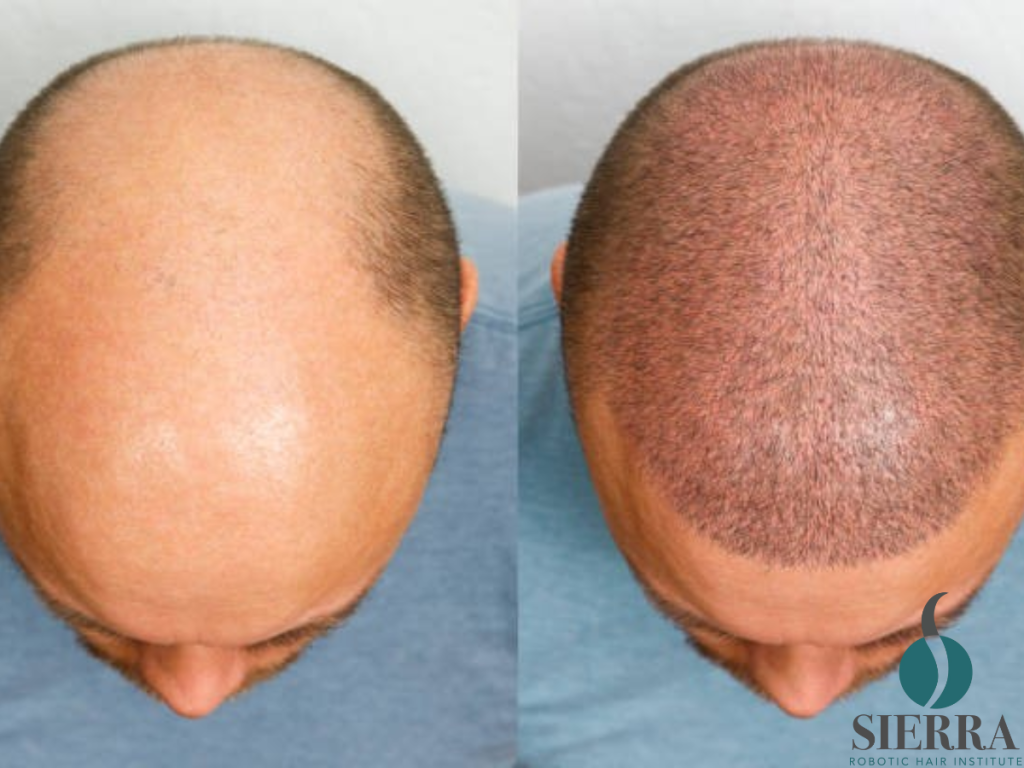
Have you noticed more scalp showing lately and wondered what your options are? Recent advances mean you can choose from simple in-office treatments to cutting-edge surgical procedures. In this guide, we’ll walk through the techniques and costs so you understand what each option involves—and how to make it work within your budget.
Hair restoration isn’t one-size-fits-all. Whether you prefer non-surgical therapies with minimal downtime or a more permanent surgical solution, you’ll find clear explanations here. Read on to learn which methods suit your lifestyle and financial needs.
Surgical Hair Restoration Methods
Surgical restoration physically moves healthy follicles from a donor area to thinning zones, creating natural-looking density. Here are the three main approaches.
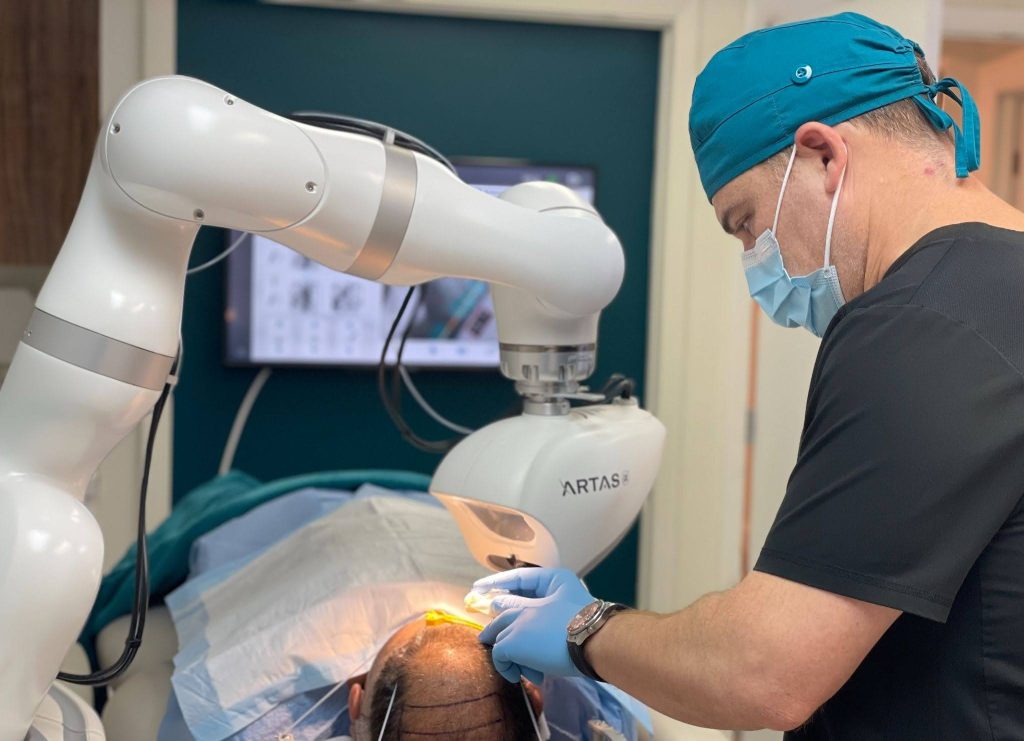
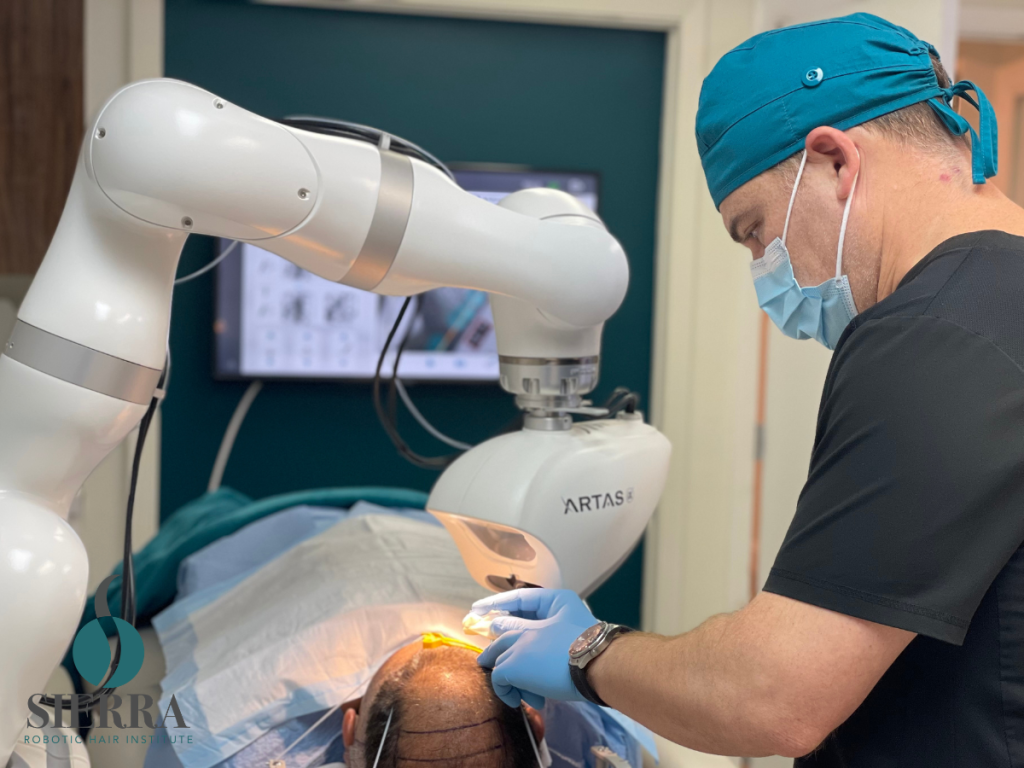
Robotic FUE (ARTAS iXi)
Robotic follicular unit extraction uses an AI-guided arm to harvest grafts with pinpoint accuracy. First, a high-resolution camera maps your scalp and pinpoints the best follicles. Then the robotic arm makes tiny micro-incisions around each selected graft.
Because the system repeats perfect movements without fatigue, your procedure tends to be faster and highly consistent. The tiny, evenly spaced wounds heal quickly, and most people return to normal activities within a few days.
Manual FUE
With manual FUE, a surgeon removes follicles one by one using a handheld punch tool. This approach gives full control over the angle and depth of each extraction—especially helpful for curly hair or unusual growth patterns. Because each follicle is individually harvested, there’s no linear scar—just small dot-marks that fade within weeks. Recovery is similar to robotic FUE, and many patients appreciate the surgeon’s ability to adjust technique on the fly.
Strip (FUT)
Follicular unit transplantation, or strip surgery, begins with removing a narrow strip of scalp—usually from the back of your head. That donor strip is then dissected under magnification to isolate individual follicle grafts.
Technicians implant these grafts into thinning areas in a single session that can yield a high graft count. The trade-off is a linear scar at the donor site, which can be hidden by longer hair. Stitches come out after about ten days, and full healing usually follows in two weeks.
Non-Surgical Hair Restoration Options
If you prefer to avoid surgery, these therapies can thicken existing hair and improve scalp health. Treatments are generally painless and require little downtime. Key non-surgical options include:
- Platelet-Rich Plasma (PRP): Your own blood’s growth factors are concentrated and injected to awaken dormant follicles. Most patients see improvement after three monthly sessions, with maintenance every few months.
- Topical therapies: Solutions like minoxidil and ketoconazole shampoos improve blood flow and nutrient delivery to follicles. Daily application for 3–6 months is needed to notice thicker strands.
- Oral medications: Finasteride blocks the DHT hormone that shrinks follicles in men; spironolactone is a common alternative for women. These pills must be taken continuously to maintain gains.
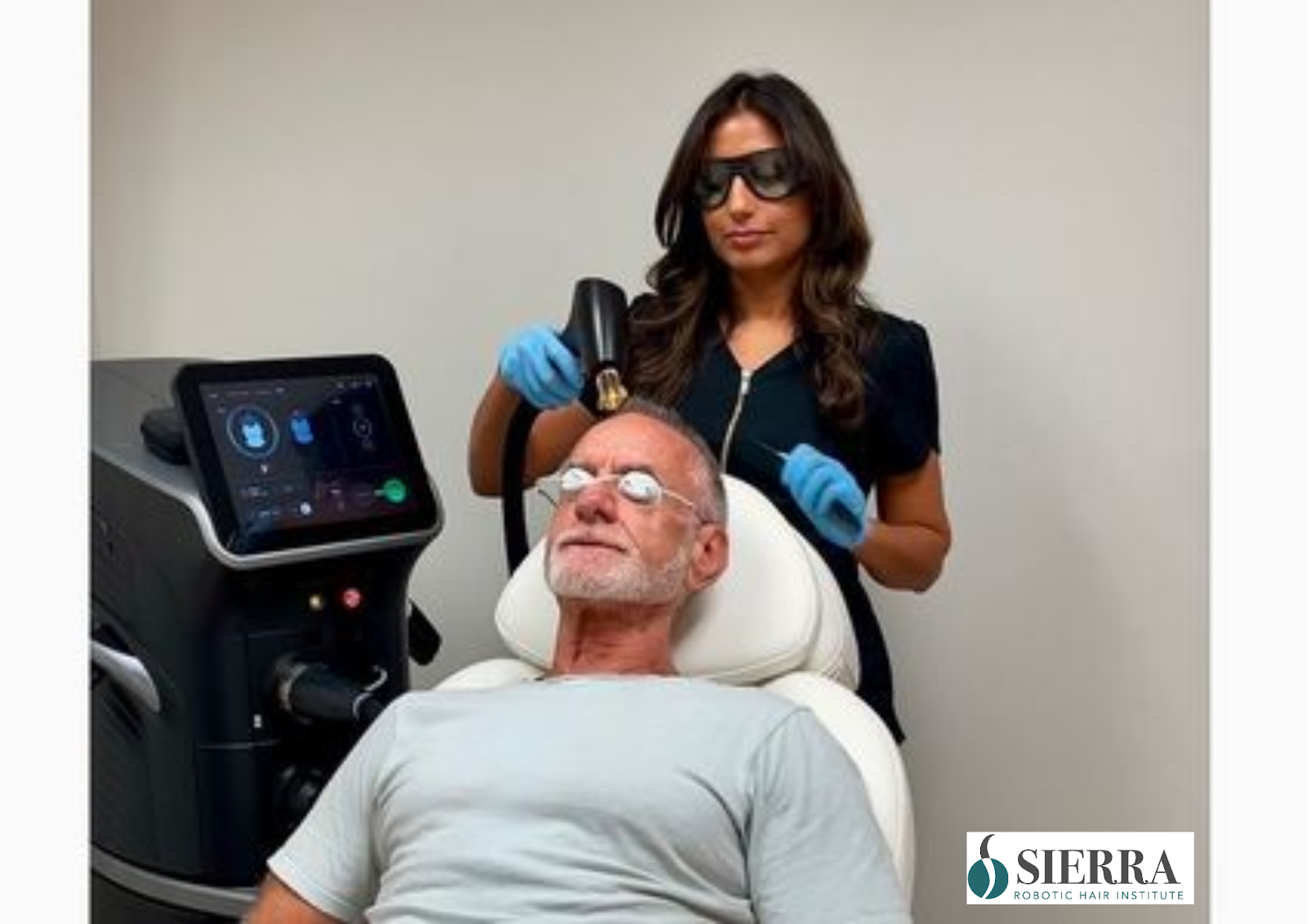
- Laser therapy (FoLix™): A fractional, high-intensity non-ablative laser delivers microscopic beams to stimulate follicles. Sessions take about 30 minutes, are comfortable, and require no recovery time.
These methods can stand alone or complement surgery—for example, pairing PRP or laser sessions with a transplant often enhances healing and final density.
Personalizing Your Treatment Plan
No two scalps are alike, so your plan should reflect your hair goals, donor supply, and lifestyle. During your consultation with our specialists, you’ll go through a thorough evaluation:
- Scalp health and hair density
- Quality and availability of donor follicles
- Your ideal hairline shape and fullness goals
- Medical history and any prior treatments
Other factors that influence overall cost include:
- Technique choice: Robotic, manual or strip methods have different time and equipment requirements
- Graft count: The more grafts you need, the longer the procedure
- Adjunct therapies: Adding PRP, laser sessions or medications can increase total investment
- Geographic and facility fees: Local operating costs and clinic fees vary by region
Based on this, your specialist will recommend a customized combination of treatments—whether that’s starting with non-surgical therapies or proceeding directly to a transplant followed by maintenance sessions.
Financing and Payment Plans
We know cost is an important factor. Hair restoration is an investment in how you look and feel, so we strive to make it manageable.
We offer Cherry Financing, which can split your procedure into smaller monthly payments (often with 0% APR) and quick online approval without a hard credit pull. CareCredit is another option—this healthcare credit card often comes with promotional no-interest periods for elective procedures. Finally, you can combine cash deposits with personal loans or our in-house payment program to spread the cost over time. Our team will clearly explain each choice and help you find the plan that fits your budget.

Your Next Steps
Making a change starts with clear information and support. Here’s what to remember as you consider hair restoration:
- Schedule a consultation to discuss your situation in detail
- Explore financing: ask about payment plans like Cherry that can make treatment affordable
- Think about a combined approach: pairing a transplant with nonsurgical therapies like laser sessions or topical treatments can give the best outcome
Dr. Rafael Sierra and the team at Sierra Robotic Hair Institute are ready to help you take the next step. Schedule your free consultation or call us at (954) 945-9495 today to learn more.