
Long Hair FUE
Hair Transplant
Achieve Life changing results with our award-winning doctor
1000+
Satisfied Clients
340+
Positive Reviews
20+
Years of Experience
What is Long Hair FUE Transplant?
Long Hair Follicular Unit Extraction (FUE) hair transplant is celebrated for its precision and personalized approach.
In this method, each hair follicle is individually extracted by a skilled surgeon, allowing for meticulous control over the placement and angle of each graft. This heightened level of accuracy ensures a natural-looking hairline and density.
Long Hair FUE is less invasive than traditional strip methods, resulting in minimal scarring and a faster recovery time.
Its tailor-made technique is ideal for patients seeking a customized solution, promising aesthetically pleasing and long-lasting results with a significantly reduced risk of complications.

How Is Long Hair FUE Operated?
In this technique, the hair isn’t shaved. The hair on the donor region is collected as long hair without shaving and implanted to areas with hair loss. The remaining operational process and post-op process is the same as the traditional FUE hair transplant method.
The most commonly requested areas for long hair transplant are the right and left sides of the forehead and the top of the head. Long Hair FUE can be a saviour for hair loss and baldness in these regions.
This thinned area is marked with a medical pen tool for hair transplant. Then, 500-1000 grafts are collected from the back of the hair and the genetically permanent hair roots are implanted to bald areas.


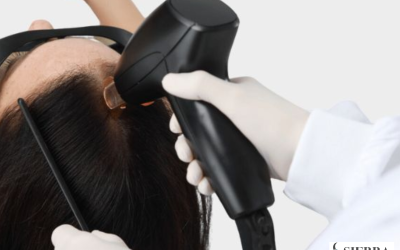


What Are The Differences From a Normal Hair Transplant Method?
The hair is shaved to 1-2mm with the help of a shaver. Disinfection is applied to shaved hair for hygienic purposes and the hair roots are collected with a special medical tool. This 1-2mm-long donor hair is then implanted to implant area with hair loss. After the hair transplant, the patient’s entire hair will be 1-2mm long.
The donor region is disinfected without intervening with the long hair (maximum 25cm) is not shaved. This long hair is collected from the donor region and integrated to the hair transplant region with the same length. In this process, there is no intervention to hair with scissors or shaver. As a result of the hair transplant, the hair length will be the same as the hair length before hair transplant.
Long Hair FUE Method: Achieving Beautiful and Natural Results
When it comes to hair restoration, advancements in technology have revolutionized the field, offering patients effective and natural-looking solutions. One such technique gaining popularity is the Long Hair Follicular Unit Extraction (FUE) procedure.
In this comprehensive article, we will explore the nuances of long hair FUE, its advantages over other methods, how to choose the right surgeon and clinic, the procedure itself, recovery and post-operative care, expected results, and long-term hair care strategies.
By providing an in-depth analysis of the long hair FUE technique, we aim to help individuals make informed decisions about their hair restoration journey.

Understanding the FUE Hair Transplant Procedure What is FUE?
Follicular Unit Extraction (FUE) is a minimally invasive hair transplant procedure that involves extracting healthy hair follicles from a donor area, typically the back or sides of the head, and transplanting them into areas experiencing hair loss or thinning.
Unlike the older strip harvesting technique, FUE leaves no linear scars and provides excellent precision in follicle extraction. By utilizing microsurgical tools, each hair follicle is individually removed from the donor site, preserving their integrity for transplantation.
How does FUE differ from other hair transplant methods?
FUE stands out from other hair transplant methods due to its minimally invasive nature, lack of linear scarring, and natural-looking results. Strip harvesting, also known as Follicular Unit Transplantation (FUT), involves removing a strip of scalp from the donor area, leading to a visible scar.
In contrast, FUE offers a scarless approach, making it an attractive option for individuals who prefer short hairstyles or wish to wear their hair in a ponytail without any signs of surgery.
Eligibility criteria for FUE hair transplant
Sufficient donor hair:
Patients must have an adequate amount of healthy hair follicles available in the donor area to achieve successful transplantation.
Stable hair loss:
It is important for individuals to have stable patterns of hair loss, as the transplanted hair will not be affected by future hair loss.
Realistic expectations:
Patients must have realistic expectations about the outcome of the procedure and understand that the full results may take several months to a year to become apparent.
Good overall health:
Candidates should be in good overall health and disclose any pre-existing medical conditions or medications they are taking during the consultation phase.
Importance of Long Hair FUE
Definition and purpose of long hair FUE
Long hair FUE is a specialized technique within the broader FUE methodology that allows the transplant of longer hair follicles from the donor area to the recipient site. Unlike traditional FUE, which requires shaving or trimming the hair in the donor area, long hair FUE enables patients to maintain their existing hair length during the transplantation process.
This technique addresses the concerns of individuals who do not wish to compromise their current hair length or style during hair restoration.

Benefits of long hair FUE compared to short hair or shaved methods
Long hair FUE offers several advantages over other hair transplant methods, including:
- No change in appearance: With long hair FUE, patients can maintain their existing hair length and style throughout the procedure, ensuring minimal disruption to their appearance.
- Enhanced patient comfort: By avoiding the need to shave or trim the hair in the donor area, long hair FUE eliminates any potential discomfort or anxiety associated with significant changes in hairstyle.
- Increased donor hair options: Long hair FUE provides the flexibility to extract longer hair follicles from the donor area, allowing for a seamless integration with existing hair and creating more natural-looking results.
- Convenient concealment: Patients can conveniently cover the donor and recipient areas following surgery through their existing long hair, reducing the visibility of any temporary post-operative redness or scabbing.